We are officially halfway through the alphabet! Can you believe it?
As someone who has a gift for starting things and not necessarily finishing them (and yes, I’ve recently found out this is part of my design, so it is considered a gift) I sit in awe sometimes when I think about how I’m seeing this thing through. Not only did I come back for a second season of the podcast, but I also have stuck to the plan for it, working through the alphabet of mathematical ideas…the Mathabet…one letter at a time. As of this morning, I’m planned out through the letter S even. The episodes themselves aren’t written yet, but I know what I’m going to be sharing with you on this journey, almost to the end, and I’m so excited to be using this platform to show you all the ways you actually are a math person.
{This is a modified transcript for Episode 41 of the I See Math People podcast. To listen instead, click here.}
Shall we get started with some mathematical ideas beginning with M?
Measurement
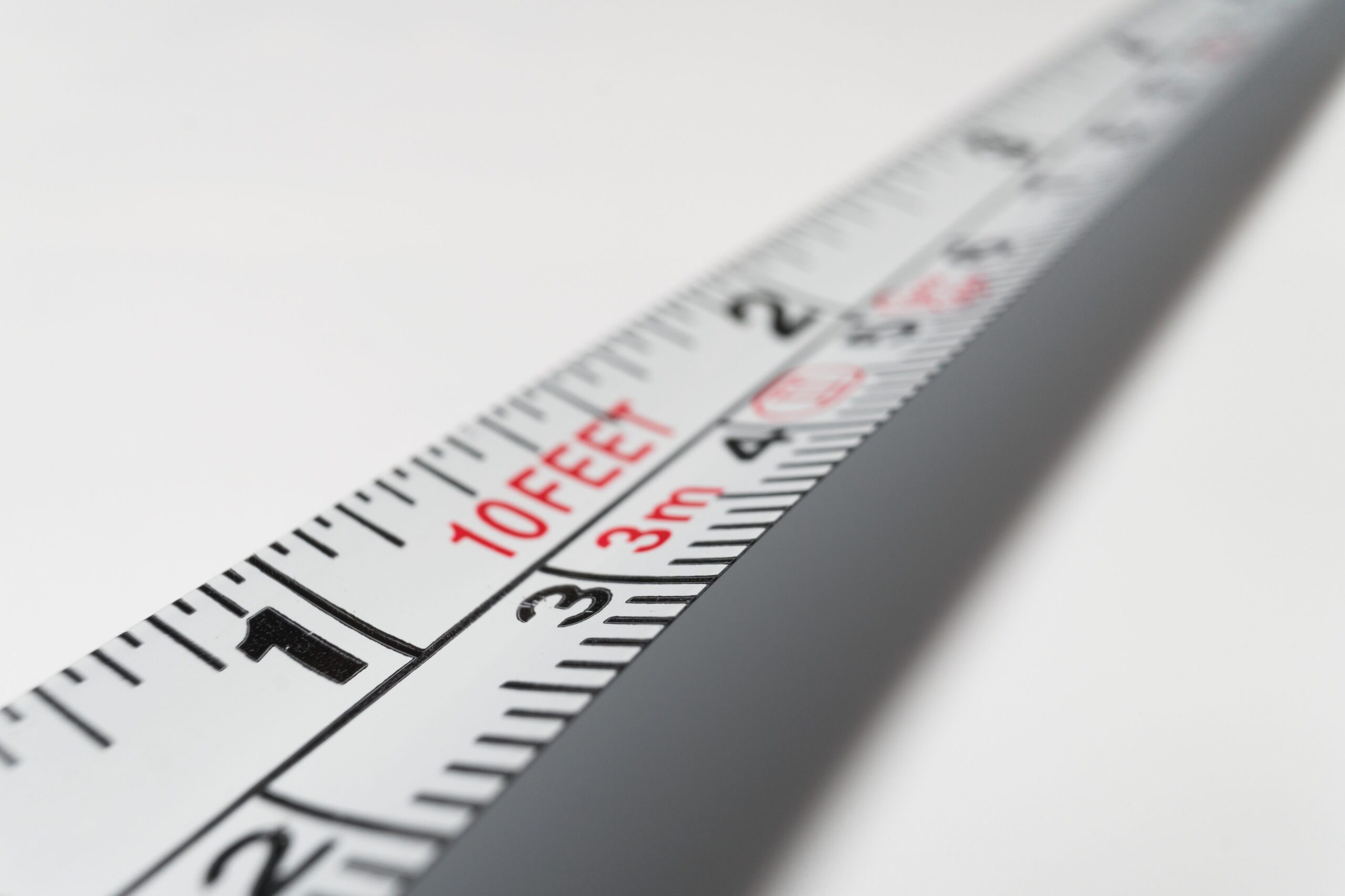
First up today is measurement. Or measuring. Or just measure.
How many times do you measure things in a day? Just this week, I’ve used a ruler to measure the space between the things I hung on my office wall and a tape measure to make sure I hung a cork board in just the right spot. I’ve used a timer to measure the time it takes to cook a meal and a measuring cup to make sure I added just the right amount of something to a recipe. I’ve even measured my progress toward a certain goal (like how we are halfway through the mathabet here) and my growth in a personal area I’m trying to improve.
You measure all sorts of things all the time. The heights and weights of your kids, circumference of body parts as you track your wellness and fitness progress, how long it takes to run a mile, the amount of milk you put in the pancake batter. You even compare yourself to others to see if you “measure up” in certain areas.
No matter what you measure, or the tool you use to do it, measuring anything makes you a math person.
Multiplication
How about we talk a bit about multiplication. Multiplication is one of the four basic numerical operations and you use it as a shortcut to repeated addition. So instead of 7 + 7 + 7 + 7, for example, you think of this as 7, four times and you multiply 7 by 4 instead of adding up or counting all the groups of seven. As the numbers get larger, there are other methods and algorithms you use to arrive at the product. So, when do you encounter multiplication during your day?
Maybe you are paying someone to work a certain number of hours…or maybe this is how you get paid. You multiply the number of hours worked by the hourly pay rate to get the total. Budgeting monthly costs for a year involves multiplying that cost by 12…or a daily cost by 30 for a monthly number. When you are wanting to paint a room or carpet a floor, you multiply the dimensions of the room…assuming it’s a rectangle…to find the area you are covering so you know how much to buy. When you need to feed more people than a recipe serves, you double or triple it, meaning you multiply each ingredient amount by 2 or 3. Using multiplication in this way is called scaling. You’ve scaled the recipe to make enough for everyone.
Where else do you find multiplication showing up for you? I’d love to hear your ideas…simply comment on this post or message me over on Instagram to continue this conversation.
Mean, Median & Mode
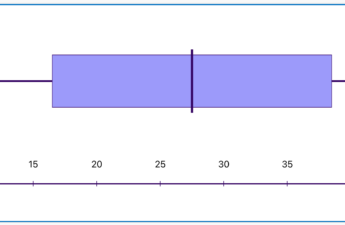
Remember talking about mean, median, and mode in math class? These are statistical measures that describe numerical data in slightly different ways.
The mean is the math word for numerical average. If you track sports statistics at all, paying attention to batting averages or points per game, for example, you are working with means.
Median describes the middle of a data set, which can be larger or smaller than the mean, depending on how the values are distributed. Median is the metric of choice for real estate and income of an area. One way to describe the economic health of an area is to compare median home prices to median household income.
Sometimes, advertisers will choose to use the measure…mean or median…that paints the more advantageous picture of whatever it is they are selling.
Mode is the measure that describes a value that shows up most often in a data set. If you choose to make a purchase based on the most popular item, you are basing your decision on the mode. Choosing an item marked “best seller” is one example as is choosing to order a pepperoni pizza when all but one of your group requested it. In these examples, I bet you aren’t even aware you are using the mode in your decision.
However you interact with the ideas of mean, median, and mode, doing so makes you a math person.
Maximum & Minimum
In the last episode we talked about the idea of limits. Maximum and minimum are related to this idea and you interact with them frequently. Not only do you think about the maximum amount you can afford for certain purchases each month or the minimum number of hours you have to work to pay your bills, but we also see these ideas in other places, too. There’s a max fill line on the coffee carafe and a maximum weight for your luggage when you fly. There’s the minimum height for riding some roller coasters and the minimum amount due on your credit card bill.
You interact with the ideas of maximum and minimum in all sorts of contexts. And that, my friend, makes you a math person.
I am honored you joined the conversation today! I’m on a mission to change the way the world sees math, and that begins with you. If you found value in this post, if something you heard made you pause, or if you suddenly realized the hidden math in something you do every day, now is the time to join this movement!
When you comment here and share this site, or when you subscribe to, rate, and share the I See Math People podcast, the algorithms will show it to more people and the more people who get the message, the more mindsets can begin to shift.
Thank you for being part of this discussion of a few of the mathematical concepts beginning with the letter M. I truly hope you heard something about measuring, multiplication, mean, median, mode, maximum, and minimum that you can relate to and that it makes you stop and think about where math shows up for you on a daily basis. Noticing where you interact with math is the first step to beginning your mindset shift and seeing yourself as the math person you really are.
I’m Jennifer Mason Hardin and everywhere I look I see math people just like you.