One of the things I love most, and that I’ve recently found out is a gift of my design, is helping people achieve their goals. Specifically, by digging into the root of what’s holding them back and providing resources and support as they address it. One of my strengths as a math teacher is finding the place where the misunderstanding begins. The root, if you will, of why a student has difficulty with a particular idea. For example, when someone has a hard time operating with fractions, it’s often because they haven’t fully developed their understanding of multiplication and possibly because their understanding of part-whole relationships needs strengthening. This knowledge lets me know how to help them move forward and what resources or instruction to provide.
{This is a modified transcript for Episode 51 of the I See Math People podcast. To listen instead, click here.}
The same is true of my work here and on the podcast. Years of encountering people who just throw up their hands when they don’t understand and who immediately fall back on the excuse of not being a math person when confronted with a situation that requires it, has led me to understand what really holds people back is not the math. It’s identifying as someone who doesn’t or can’t do math.
Here’s the truth. Math can be learned. It’s a skill like riding a bicycle or chopping vegetables. It takes practice and effort to learn. The part that often gets left out of the discussion, though, is belief. It takes practice and effort AND belief that you are capable of learning a skill for you to actually learn it. When you learned to ride a bicycle, your belief that you could is what kept you getting back on the bike after every fall.
There’s something more to this, I think, when it comes to math. The deeper issue here is that somehow we have defined a math person as someone who just knows the right answer. Who does well in math class. Who just seems to “get it” without much effort.
Sound familiar?
And so, in my professional opinion, the root of your belief that you aren’t a math person lies in how you define one. Which is why I’m on a mission to redefine what it means to be a math person, so you can start shifting your belief and recognize how capable you really are. My belief is that this shift will have a ripple effect into parts of your life you don’t even think are connected and will help you achieve all the things you are dreaming of.
This is why I show up to the podcast each week and share that message here. And it’s why I’ve written a resource for you. Of course, I’m talking about my book, MATHABET, an alphabet book of mathematical ideas you use all the time. It isn’t an exhaustive list by any means, but it has enough ideas to get you thinking and noticing where math shows up for you on a daily basis, so you can increase your awareness and start seeing yourself as a math person.
As a reminder, there are only two requirements for being a math person. The best part is you already meet them without even trying.
- You are a person.
- You interact with math.
So, you must be a math person.
If you’d like to take a look at MATHABET, head on over to onamission.bio/jennifermasonhardin and choose “I wrote a book.” And while you are there, if you’d like podcast, blog, and book updates, along with some encouraging reminders of your math personness, I’d love for you to “Meet me in your inbox,” too.
Now that I’ve gotten all of that off my chest, let’s keep going through the mathabet by talking about some ideas beginning with the letter W.
Whole & Whole Numbers
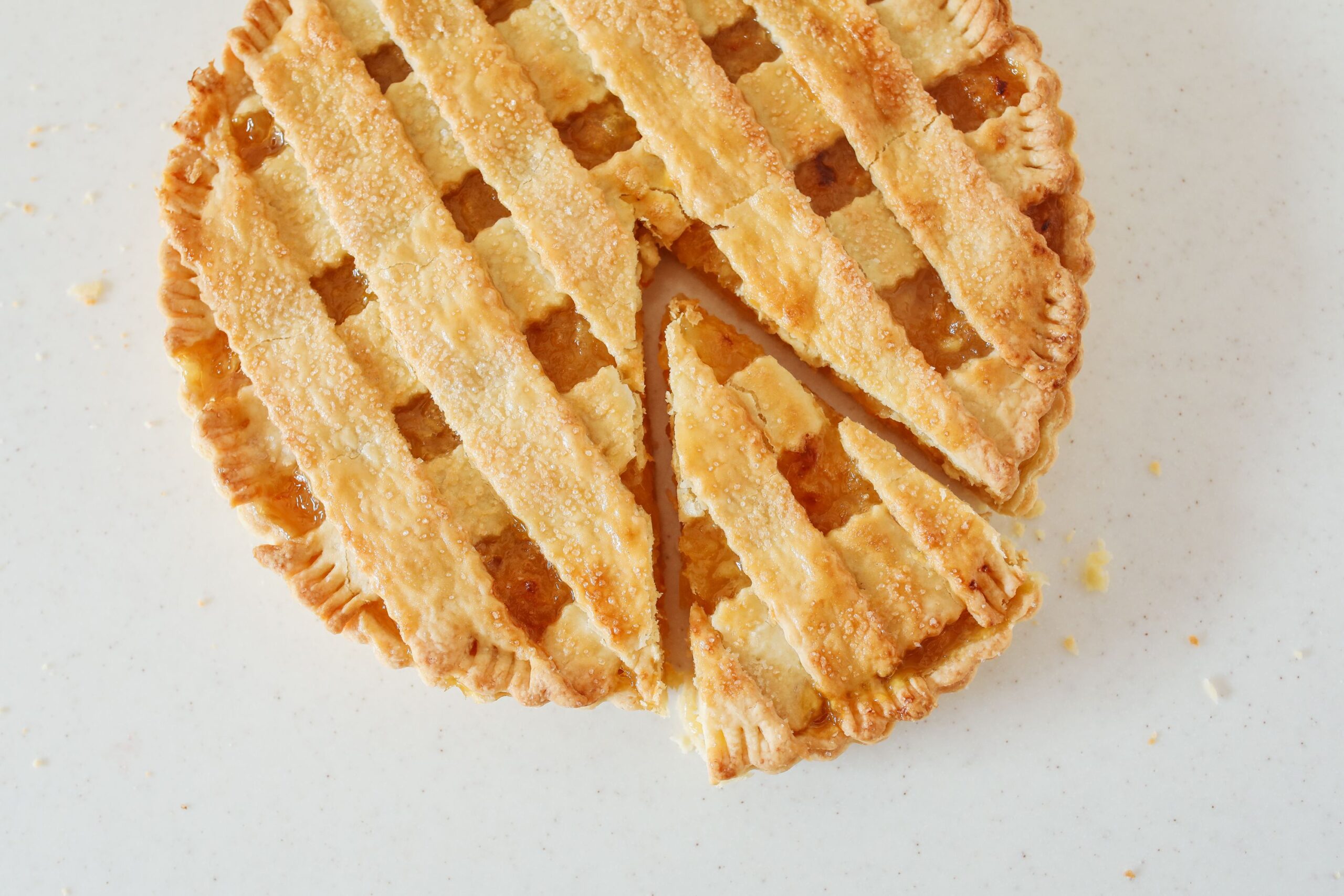
Where do you interact with the idea of whole, meaning all of something? Have you ever rounded up a purchase to donate a few cents to charity or deposit it into a savings account? That rounding up makes your purchase a whole dollar amount. I bet you’ve also had to pay for a whole hour of parking when you only needed the space for part of that time. Sometimes we need to zoom out to see the big picture of a situation, the whole thing, instead of the small piece right in front of us. And I bet you’ve found yourself eating a whole bag of chips or candy without meaning to at some point in your life.
A similar concept is the idea of whole numbers. Whole numbers don’t have any fractional or decimal parts to them. You use whole numbers to estimate amounts when you don’t need an exact calculation. You also use them to count and in a variety of other contexts.
So, the next time you find yourself interacting with the idea of whole versus part or using whole numbers, take a moment to recognize this interaction makes you a math person.
I’m expecting some eye rolls and groans when I mention the next idea beginning with W. Just hang in there with me for a minute, okay?
The idea I’m talking about is…are you ready for it?
Word Problem
I’ll pause for a second to let you get the emotion out…
I think after fractions…or maybe tied with it…word problems are the thing I hear the most complaints about. I’ll give you the point that in math class they are often worded in ways that make them difficult to navigate and the context is often ridiculous. But, here’s the deal…you can’t be terrible at word problems because you do them all the time.
They might not typically be written out for you to read, but life itself provides an endless supply of word problems. Problems you have to solve throughout your day.
Slept through your alarm? Now you have to adjust your morning routine so you get to work or school on time. Is there road construction on your way to where you are going? Now you have to find an alternate route. Forget to set out the ground beef to thaw? Now you have to come up with a dinner plan on the fly.
Solving problems is an integral part of the human experience. Sometimes the math connection is obvious…like when you have to calculate something…but most often the connection is actually the thinking that happens as you work on a solution. The automatic adjustments, the improvisations using what you have, and the mental shifting that happens all make you a math person.
I’m so grateful you joined the conversation today! I’m on a mission to change the way the world sees math, starting with you. If you found value in this post, if something you read made you pause, or if you suddenly realized the hidden math in something you do every day, now is the time to join the movement!
When you comment here and share this site, or when you subscribe to, rate, and share the I See Math People podcast, the algorithms will show it to more people and the more people who get the message, the more mindsets can begin to shift.
Thank you for being part of this discussion of a few of the mathematical concepts beginning with the letter W. I truly hope you heard something about whole, whole number, and word problems you can relate to and that it made you stop and think about where math shows up for you on a daily basis. Noticing where you interact with math is the first step to beginning your mindset shift and seeing yourself as the math person you really are.
I’m Jennifer Mason Hardin and everywhere I look I see math people just like you.