Back in this post, I shared some of the ways math shows up in nature. Specifically, a few places we see the Fibonacci sequence and the related golden spiral and golden ratio. Every time I revisit the topic of Fibonacci numbers, I am completely fascinated by it and I can very easily get pulled into the rabbit hole learning about sequence, exploring ideas around the numbers in it and the various places we find the golden spiral and the golden ratio. Even if it isn’t math related, I hope there is something like this you are excited to learn about.
Here, I want to continue the nature talk by diving into another of my favorite topics…patterns we find in nature. This one can also cause you to get lost in the internet vortex and wonder where the time went when you finally emerge from it hours later.
I’ve said many times that math always comes back to patterns. I’ve even made a claim that the subject of mathematics isn’t really about the numbers themselves, but about the patterns that emerge when you interact with and manipulate them in certain ways. This is true from basic counting all the way to the most advanced mathematical ideas. It all revolves around patterns. If you’d like to hear more about this idea, I invite you to check out this post or episode two of the podcast. Some of the patterns discussed there might even be a bit surprising to you.
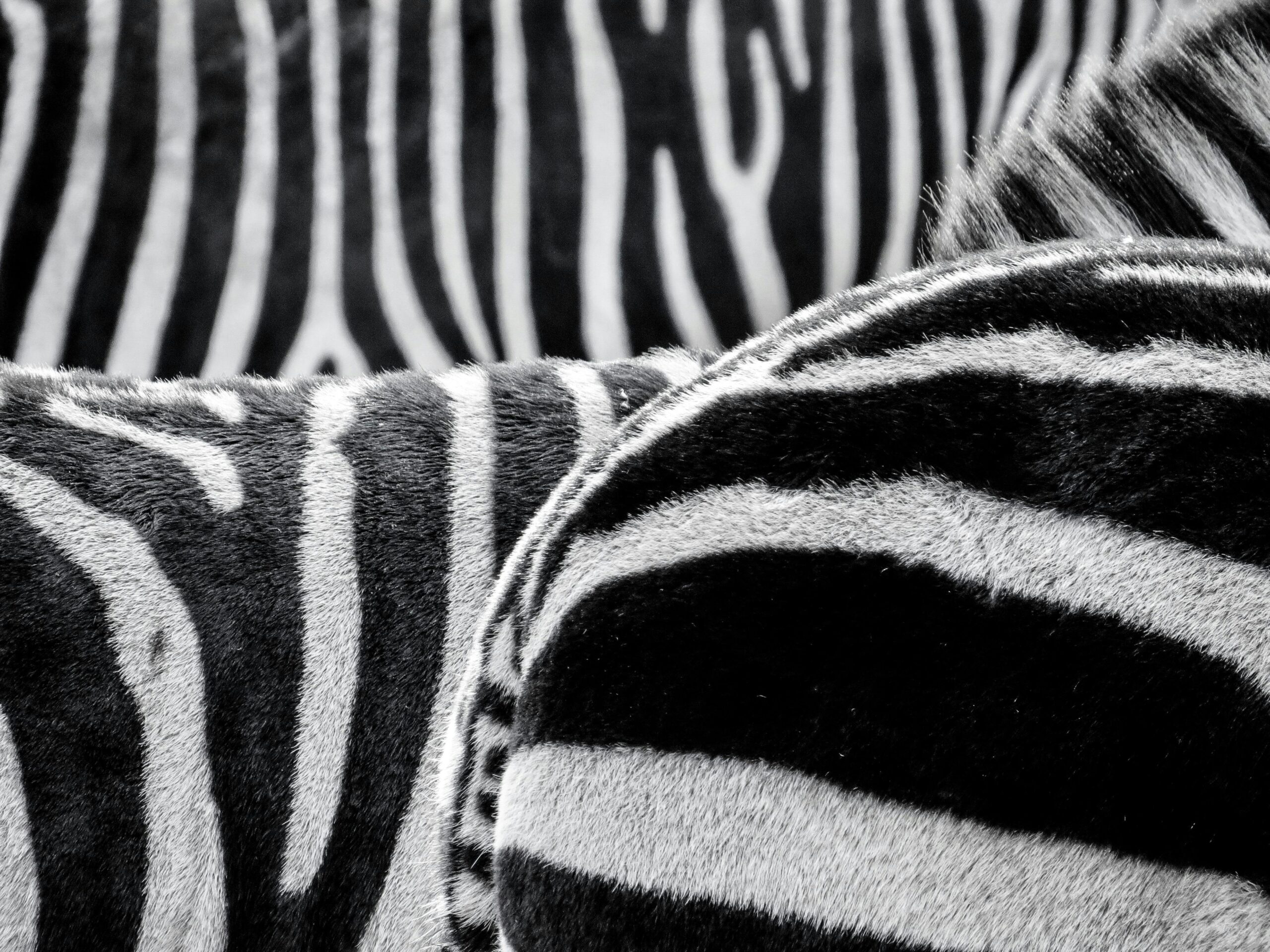
When I think about patterns in nature, I think mostly about visual patterns. Can you tell the difference between a horse and a zebra? Of course you can, because zebras have a distinctive black and white pattern on their hides. The same thing goes for cheetahs and tigers and rattlesnakes and pythons. Many creatures in the animal world have distinctive markings that help us identify them. From birds and butterflies to frogs and lizards to fish and whales. We often know one from the other based on the patterns they display. There are other characteristics that help us as well, but one of the first we notice is colorings and markings on a creature’s body, the patterns they show to the world.
As a side note here, our scientific classification system is rooted in mathematical ideas. Classifying anything, not just plants and animals, involves sorting into categories by evaluating and comparing characteristics. So if you do any of this…putting away silverware and separating laundry counts…you are definitely a math person.
Animals are not the only living things in nature that display patterns. Plants also have distinctive features. Oak leaves have a different shape than maple leaves. The needles and cones on different varieties of evergreens are arranged in unique ways that help us tell them apart. Some trees even have distinctive bark patterns. Of course, the same is true for all kinds of plants, too. The way they grow, the shape of their leaves, the flowers that bloom, the shape of their seeds. All of these are patterns that we notice when we take a walk outside.
Some patterns we observe over periods of time, like how the sun rises in the east and sets in the west during a day. And how the moon changes in appearance at night over the course of a month or so. There are also seasonal patterns observed over the course of a year. I happen to live in a place known as the city of four seasons. It’s nicknamed this because spring, summer, fall, and winter are pretty distinct in their weather patterns here. And there’s another one. Weather patterns. There’s a whole branch of science devoted to the study of this one.
Since the beginning of human history, we have been looking for patterns in the sky. We’ve even named groups of stars…constellations…based on the patterns we see in them. The Big and Little Dippers are two I can pick out easily. I can also usually find Orion’s belt, although I’m not sure what makes up the rest of that constellation. The night sky is something I’m always fascinated by, but haven’t studied enough to know the details.
There are so many patterns to notice in nature that there is no way I can fit them all in one post. I’m sure there are tons of natural patterns I’m not even aware of, too. That’s one reason I enjoy looking for patterns when I’m on a hike or at the beach or even just hanging out in my backyard. There’s always something new to discover and the possibilities are absolutely endless.
What patterns do you notice when you are out in nature? I’d love to hear all about them and maybe even see some pictures! Will you send your discoveries to my email? It’s je******@************pi.com.
While you are out there noticing all those patterns, will you take a moment to appreciate the fact you are using your math brain and give yourself a pat on the back for being a math person? Shifting your mindset around math takes time and your brain wants proof. A lot of proof. Patterns are a core element of math and noticing them is evidence you are a math person. The more evidence you collect, the more that mindset will shift.
I am thrilled you are here! I’m on a mission to change the way the world sees math and I absolutely cannot do it alone. So, if you enjoyed this post, will you please share it with someone who might be interested in what I’ve said here? The more people who get the message, the more mindsets begin to shift and that, my friend, is how movements gain momentum.
I have enjoyed sharing about some of the patterns we see in nature today. I love the idea of math in nature so much I’m planning at least one more episode around it. Stay tuned!