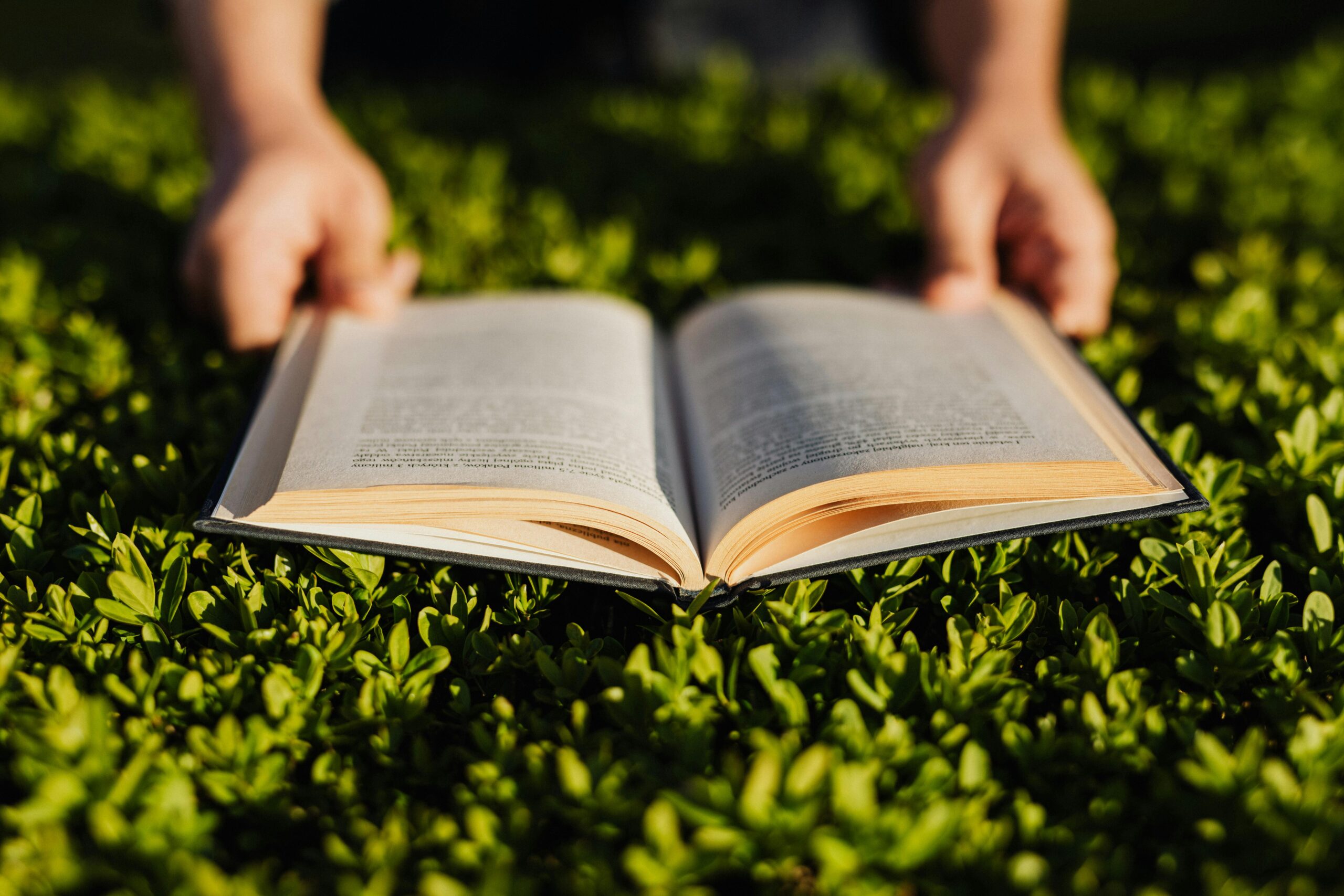
For all you writers out there who thought you were off the hook because you use words for your creative expression, this post is for you. I guess it’s for the readers out there, too, now that I think about it. Because there is also math hidden in the words you use to write your stories and poems and in the way we experience a good story when we read or watch it on the big screen.
Do you remember English class as a kid? When the graphic organizer came out that shows the parts of a story and you had to fill in all the blanks for the story you just read? Or maybe even the reverse…when you had to plan out the story you were getting ready to write by filling in all the pieces and parts ahead of time. Things like the characters and settings and the conflict and resolution.
I’m sure you know by now what I’m about to say. Most stories follow a predictable pattern. Yes, there it is again. Pattern. When I said before that it all comes back to patterns and that patterns are everywhere, I meant everywhere. Think about this for a minute. Most stories we read in books or watch on a screen begin in much the same way. There is some kind of introduction to the characters and setting. Then there are events that reveal the relationships between the characters and there is usually some kind of conflict that occurs. Either a character will make a questionable choice or will disagree with another character and then we read or watch to see how it turns out in the end. While there is some creativity in how all of this happens and how each piece is revealed, the same basic pattern is true for nearly every story.
Go ahead. Think of a story you’ve read or a movie you’ve watched where this isn’t true.
So if you’ve noticed these patterns in the books you’ve read and the movies you’ve watched, I’m gonna say you are a math person. Because as we’ve said before, if you are noticing patterns of any kind, that counts.
I’m going to take it a step further, though. Have you ever read a book or watched a movie and predicted how it will turn out? If you are a fan of a popular channel that shows original holiday movies, you know exactly what I mean. Predicting what will come next based on the patterns you notice is actually using the math part of your brain.
Does that surprise you?
I know I said this post is for writers. And up until this point I’ve mainly talked about consuming a story instead of creating one. So, what about you wordsmiths? How is it that you are math people, too?
We’ve already mentioned you likely use the classic story plot when crafting your tales. So following that sequence is one way you are using your math brain. But there’s more to it than that. Language itself is mathematical in nature. There are patterns to how words are spelled and how sentences are constructed. There’s a rhythm to the way people speak and there are patterns in intonation. Like how you can tell the difference between a statement and a question even when the words are the same. There are rules for punctuation and there is even a certain rhythm or pattern and order to how paragraphs are formed. All of that relates to mathematical ideas.
Let’s switch gears here for just a moment and talk about you poets out there. You know how there are 17 syllables in traditional haiku and 14 lines of iambic pentameter in a sonnet? And how some poems have a rhyming pattern? When you are adhering to a specific form of poetry, do you ever have to reword something to get it to sound just right or to fit the required format? That’s problem solving. Even if you are more of a free verse kind of writer, you still have your own rhythm and word choice to consider.
For any writer, word choice is important. How do you choose the words you use? By thinking of the words you know, comparing their meanings, and evaluating which one best fits the tone and purpose of what you are trying to convey to your reader. Those skills…comparing and evaluating…are mathematical in nature. We’ve talked about them quite a bit in previous posts. This one and (episode 12 of the podcast) is devoted to comparing.
So, to recap just a bit…
There is a pattern and cadence to both written and spoken language. The plots for many stories you read and watch unfold in similar ways and you often make predictions about what will happen or how a conflict will be resolved based on your previous experiences with other stories and their patterns. When you write stories or poems, you follow these patterns and those of language and you make choices by comparing and evaluating your options. So no matter if you are creating or consuming, using these skills when you write and read and watch makes you a math person.
Thanks for reading! I’m on a mission to change the way the world sees math and I absolutely cannot do it alone. So, if you enjoyed this post, will you please share it with someone? The more people who get the message, the more mindsets begin to shift and that, my friend, is how movements gain momentum.
And, remember to send me your thoughts and questions. I love talking math with folks and I especially love when those conversations lead to shifts in mindsets. You can find me on Instagram (@apocketfulofpi) or shoot me an email (je******@************pi.com).
The next time you are reading a book, writing a story, or watching a movie, take a minute to appreciate all the parts of your math brain you are using and remind yourself this makes you a math person.