Welcome back, my friend!
Today we are chatting about some mathematical ideas beginning with the letter C that you probably encounter on a regular basis. I had the idea for this mathematical alphabet several weeks ago when I was clearing out some boxes and came across a book I kept on my middle school classroom bookshelf for my students to read. I’m choosing ideas that are more common than what that math alphabet book presents, because I want to show you where the math shows up in your daily life instead of talking about complicated and somewhat obscure math ideas.
You see, the reason this podcast even exists is because I meet so many people who think they aren’t math people and I see first hand how this belief impacts their lives. I believe if you interact with math at all, that makes you a math person and the goal of this podcast is to shine a bit of light on where and how you think mathematically even when you aren’t aware that’s what you are doing. My hope is that this awareness causes you to pause just enough to begin to realize you actually are a math person.
Let’s get started with a few mathematical ideas beginning with the letter C. What’s the first thing that comes to mind?
{This is a modified transcript of Episode 31 of the I See Math People podcast. To listen instead, click here.}
Counting
Is it counting? One of the first math ideas we learn as tiny humans is counting. Usually, it’s rote counting…meaning by memory. We learn to repeat 1, 2, 3 as we go up or down stairs or get ready to race or jump. Later, we learn one-to-one counting which allows us to assign a value to objects so we know how many we have, or the quantity of something. I don’t think I need to explain counting in detail.
You regularly count all sorts of things.
Comparing
C is for counting and it’s also for comparing. Was that on your list? When you look for similarities between objects or ideas or values…or anything, really…you are comparing them. Sometimes we also include another C word…contrasting, or finding differences…in the conversation.
So, where does comparing show up in your life?
You compare prices at the grocery store and between gas stations. You compare interest rates on loans and credit cards. You compare gas mileage and horse power between cars you’d like to buy. You compare square footage and payments and location when looking for a new place to live.
Almost anytime you make a decision, you are using the idea of comparing.
If you’d like to dive a little deeper into this idea, I invite you to check out this post or go listen to episode 12 of the I See Math People podcast. It’s called Math is Comparison.
You know what? You count and compare on a regular basis. That makes you a math person.
Converting
What else begins with C? How about conversions?
I used to have a car that had an outside air temperature display on the rear view mirror. You could press a button and go from fahrenheit to celsius and back again. When my kids were young, we often played a little game where we would all look at the temperature reading and see who could come the closest to what it equaled in the other measurement system. Sometimes I think I might be the only parent on the planet who ever played that game with their kids! Surely someone else has done this too!
Converting involves changing from one unit to another…like from fahrenheit to celsius. Or from yards to feet. That probably brings back some fun memories from math or science class, right? But where does it show up in your daily life now?
If you’ve looked at the length of a movie you want to watch, you’ve probably converted minutes to hours. Or if you’ve counted a pile of coins, you might have converted cents to dollars. If you’ve ever measured for a curtain rod, it’s likely you’ve converted feet to inches. Do you cook or bake? If so, I bet you’ve converted between measurements. Tablespoons to cups or ounces to pounds, for example.
Whenever you are changing from one unit to another, you are converting. And doing that makes you a math person.
Categories
There is one more idea on my list for today. Categories. Are you wondering how the idea of categories is related to math?
Remember when you were a kid and you were asked to put all the blue things together in one pile and all the red things in another? Or maybe you were given those little bear counters in different sizes and asked to separate them into groups. This is called sorting and it’s actually a math skill that involves comparison. It’s one of the earliest math concepts we learn.
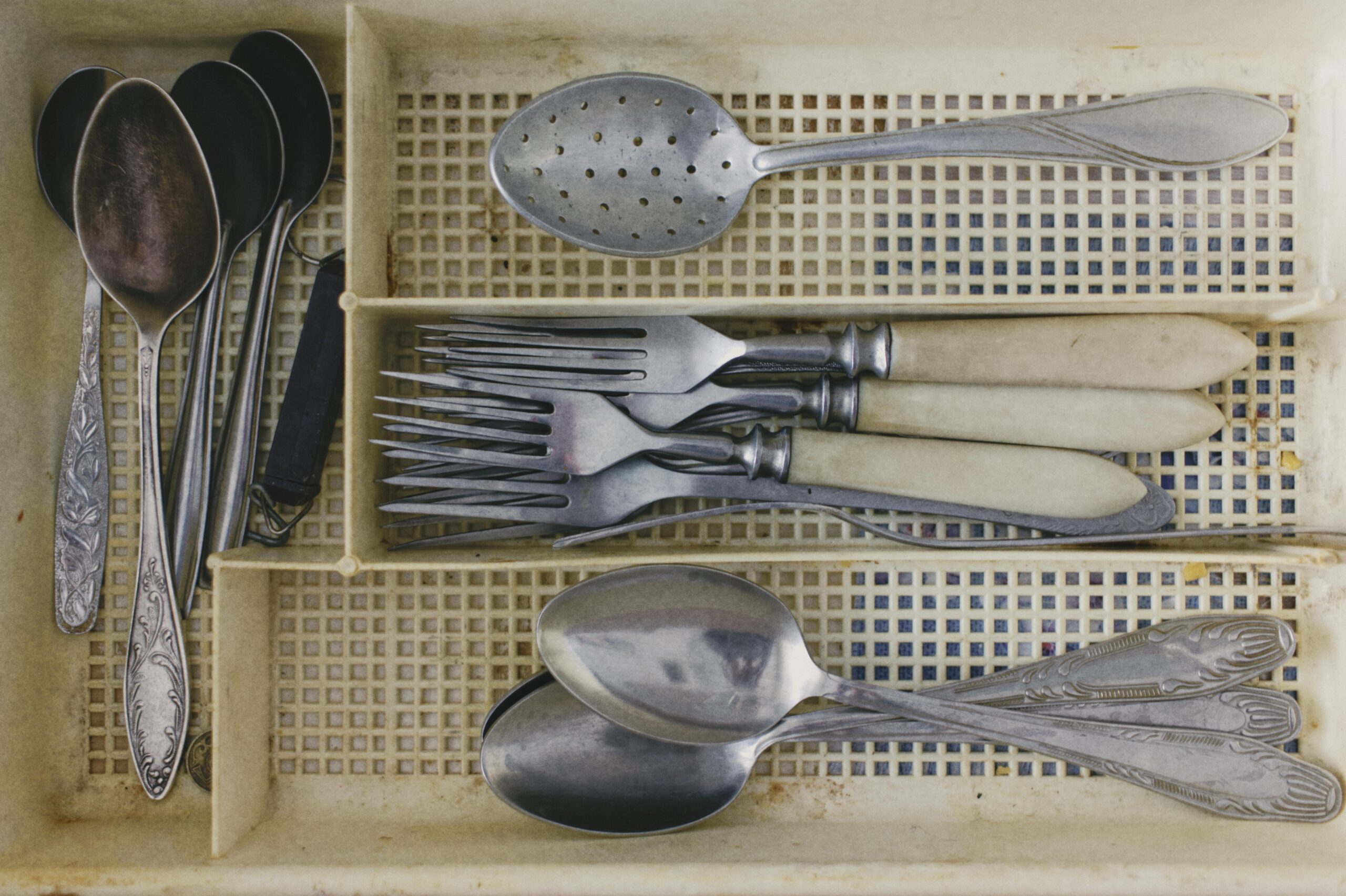
When you put all the forks in the same slot in the silverware drawer or all your t-shirts together in your closet, you are using categories to create groups of things that are alike. Using categories extends far beyond putting things away in your home, though. As humans, we love to label and group all sorts of things…book, movie, and music genres, vehicles, clothing and home decor styles, even people.
So, when you are using labels to identify or organize anything, you are using the idea of categories and the skill of sorting. Since those use the mathematical portion of your brain…you guessed it…that makes you a math person.
I’m so glad you joined the conversation today! I’m on a mission to change the way the world sees math, and that begins with you. If you found value in this post, if something you heard made you pause, or if you suddenly realized the hidden math in something you do every day, now is your chance to join the movement!
How can you help? When you subscribe to, rate, and share the I See Math People podcast or A Pocketful of Pi, more people will see it and the more people who get the message, the more mindsets can begin to shift. That, my friend, is how movements gain momentum.
Thank you for being part of this discussion of a few of the mathematical concepts beginning with the letter C. I truly hope you read something about counting, comparing, converting and categories you can relate to and that it made you stop and think about where math shows up for you on a daily basis. Noticing where you interact with math is the first step to shifting your mindset and seeing yourself as the math person you really are.
I’m Jennifer Mason Hardin and everywhere I look I see math people just like you.