Have you ever been driving along and realized the car is running low on gas? You start looking for gas stations and you choose the one with the lowest price on the sign, even though it only saves you a couple of cents. What you are actually doing here is comparing unit rates. How much the gas will cost for each gallon you put in your tank.
Along with patterns and estimation, the fancy term for getting close enough, one of the most common ways we interact with math on a daily basis has to do with rates and ratios.
Besides the gas station, where else do unit rates show up?
Well, you know the little numbers on the shelf tags at the grocery store. When you check those numbers, you are looking at how much each item costs per ounce or per box or per pound. These are all unit rates and they help you compare the cost of similar items when a straight price comparison doesn’t do it.
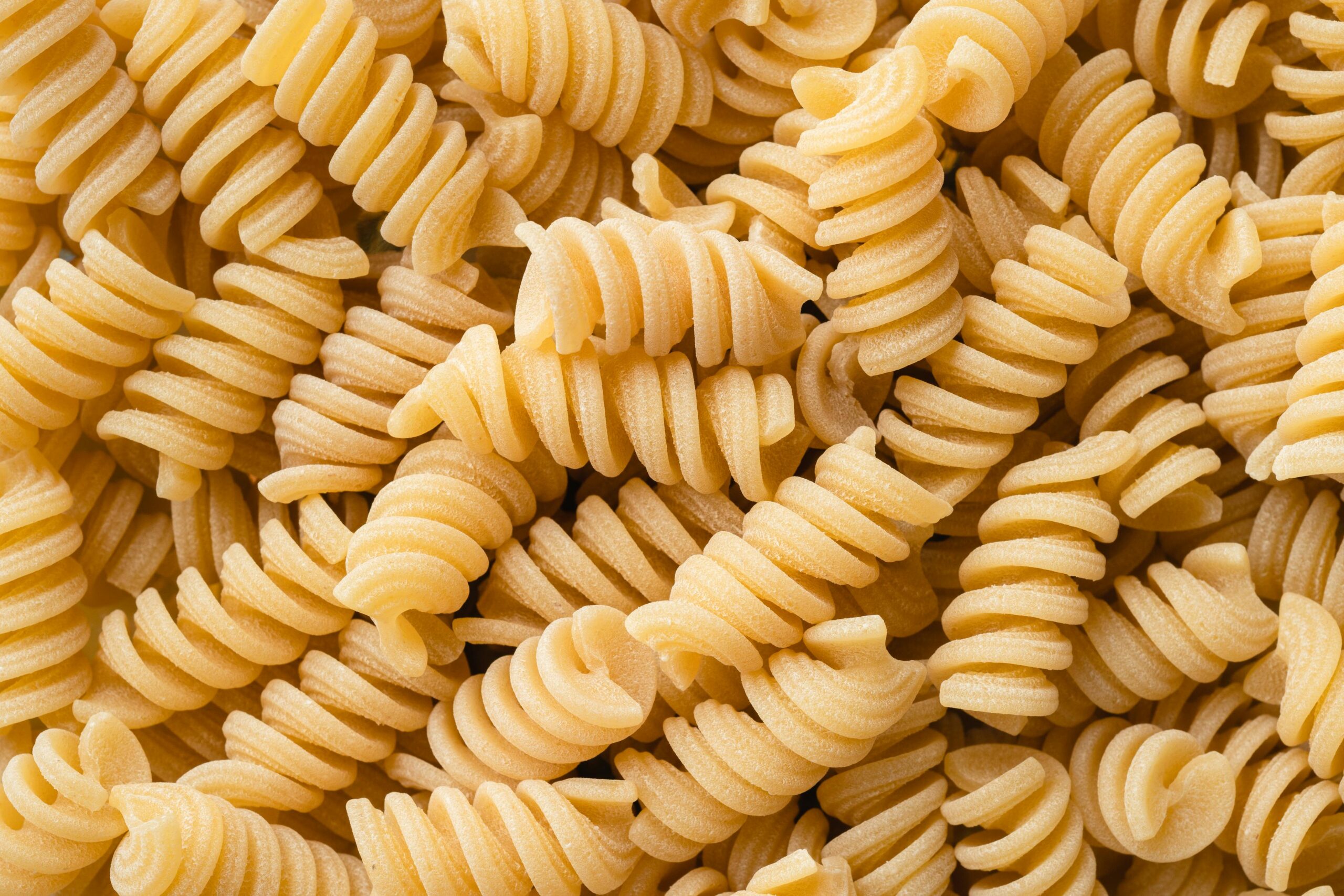
Need an example? Let’s say you are looking at boxes of pasta and you start to grab the one with the lower price tag, when you notice the one next to it seems a little bigger. Sure enough, there’s a difference in the number of ounces in each of the boxes. So, how can you be sure which one is the better deal?
Here’s where unit rates come in. There was a time when you might have to calculate a bit in your head to estimate the cost per ounce, but these days, they put that information right on the shelf tag. Now, you can see that the bigger box actually costs less per ounce, so it’s a bigger bang for your buck. If you are looking for the best deal, that’s the box you will choose.
Let’s go back to the car theme for a moment and talk about speed. Did you realize the speed on your dash is a unit rate? It’s how many miles (or kilometers if you use the metric system) you can travel in an hour. Miles per hour. If you’ve ever been on a road trip, traveling down the interstate, you might pay attention to the signs telling you how many miles to the next major town or city. Have you ever used that distance and your current speed to estimate how long it will take you to get there? If so, you’ve used a rate…you’ve also used algebraic thinking, but that’s for another post 🙂
We also often see ratios in cooking and baking. When your recipe calls for mixing 2 cups of flour to 1 cup of milk, that’s a ratio of ingredients. If you want to make more than the recipe, you can just use more of each ingredient as long as you keep that same basic ratio by using half as much milk as flour. So, 4 cups of flour and 2 cups of milk works and so does 10 cups of flour and 5 cups of milk. Doesn’t have to be whole cups, though. Three cups of flour and 1.5 cups of milk is also the same 2:1 ratio. When you change the amounts to make more or fewer servings, you are scaling your recipe. And that’s using ratios.
You know what that means, right?
If you are using rates to comparison shop or to scale your recipes, you are a math person.
So, if you are serious about shifting your mindset toward math, start noticing when you are using rates and ratios as you go about your day. Start pausing to celebrate the fact you are noticing these things around you and remind yourself you are a math person because of it.
If you aren’t comparison shopping or scaling recipes, I bet rates and ratios are showing up in other places for you. I wonder where that might be? I’d love to hear all about it and continue this conversation, so don’t be shy. You can comment below or head on over to Instagram to comment on a post or send me a message. If email is more your speed, I’m here for it. Just use the contact page in the menu. I’m the only one who reads and responds to your messages, so you’ll get a personal response from me no matter how you decide to contact me.
If you like what you are reading here and would like to listen to the audio version, be sure to check out the podcast. Follow, rate, and share your favorites!